Amendment 1
Five Freedoms
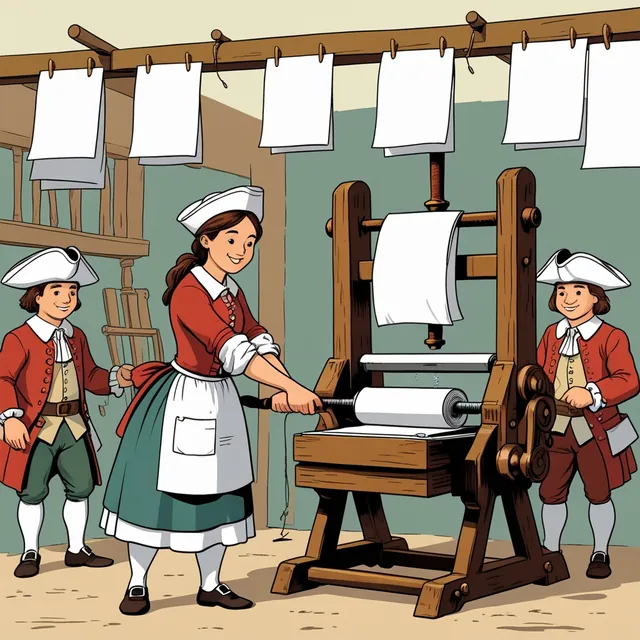
A printer could be jailed for what she printed. A family paid taxes to a church they did not attend. People were arrested for meeting to complain. All of that is in one sentence now, turned around.
Constitution Day · Civics
Ten pages. One amendment each. Every one of them exists because something happened to somebody, and this book starts there instead of with the definition.
Four editions, kindergarten to high school. Made for one child at a kitchen table or twenty in a co-op.
The idea before the task
Every amendment in the Bill of Rights began as a complaint. Somebody was jailed for printing, taxed for a church they did not attend, searched without cause, or made to feed soldiers in their own kitchen. The Bill of Rights is the list of things that had already gone wrong. Here is the complaint behind each one, the way the booklet tells it to a third grader.
Amendment 1
A printer could be jailed for what she printed. A family paid taxes to a church they did not attend. People were arrested for meeting to complain. All of that is in one sentence now, turned around.
Amendment 2
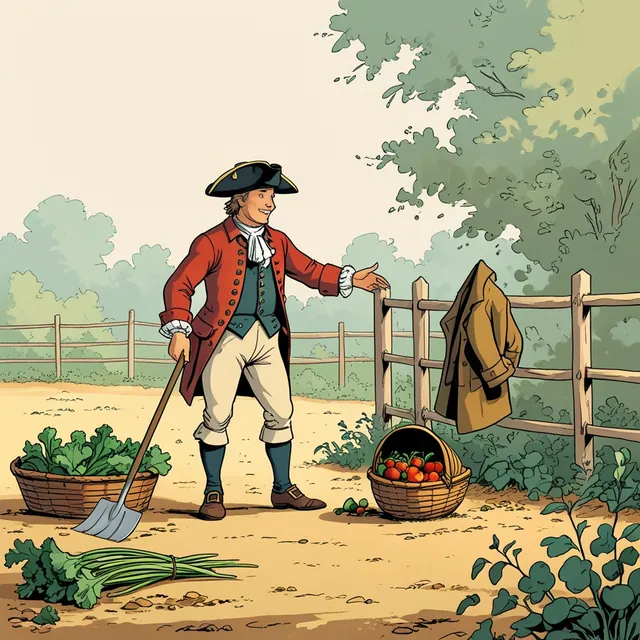
In 1775 there was no standing army to call. A town's defense was the town's own farmers, using what they already owned at home. They were called minutemen because that is how long they had to be ready.
Amendment 3
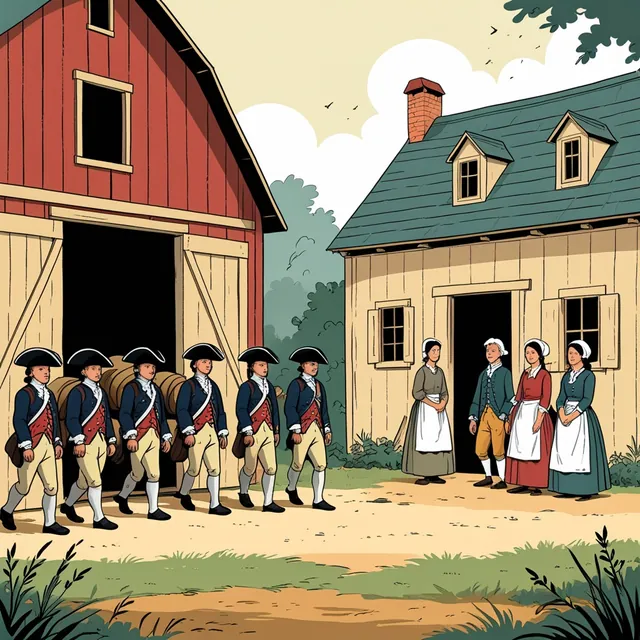
Here is what most books get wrong. The law did not let soldiers move into your kitchen. It let the governor take your barn, your shed, and any empty building you owned, and you could not say no. You also had to help feed the soldiers.
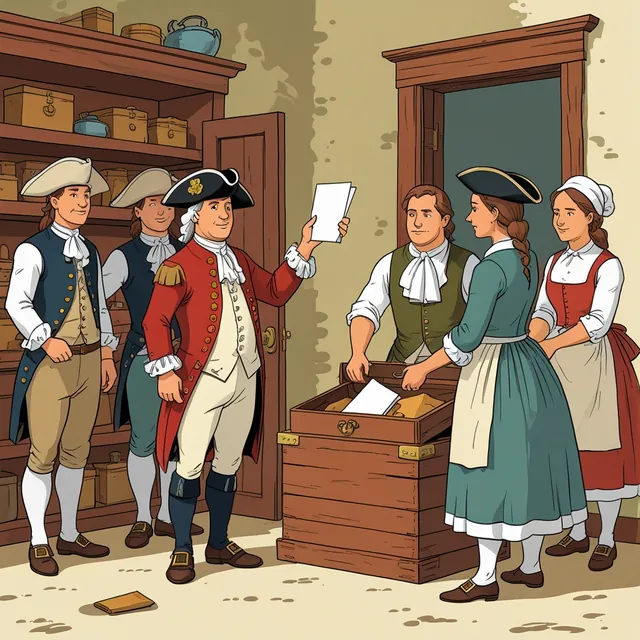
Amendment 4
Customs officers carried a paper called a writ of assistance. It let them search any house, any shop, any chest, for anything, on any day. It never ran out. It did not have to say what they were hunting for.
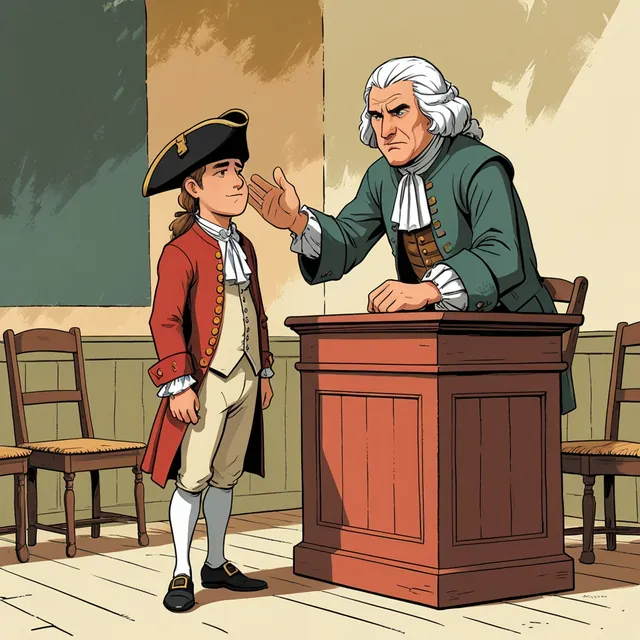
Amendment 5
Most people know one piece of this amendment from television. There are five. It is the longest one in the Bill of Rights because five different bad things all needed stopping at once.
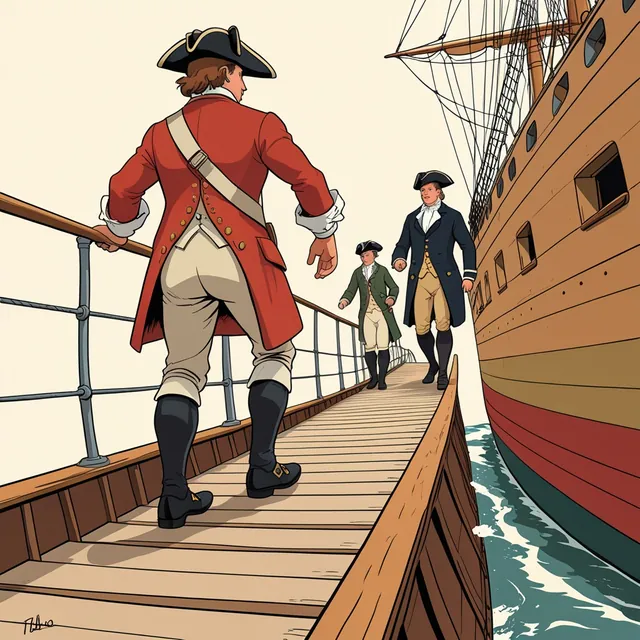
Amendment 6
Colonists could be put on a ship and tried in Britain, three thousand miles from anyone who saw what happened. No neighbor could speak for you. The Declaration of Independence listed that as a complaint.
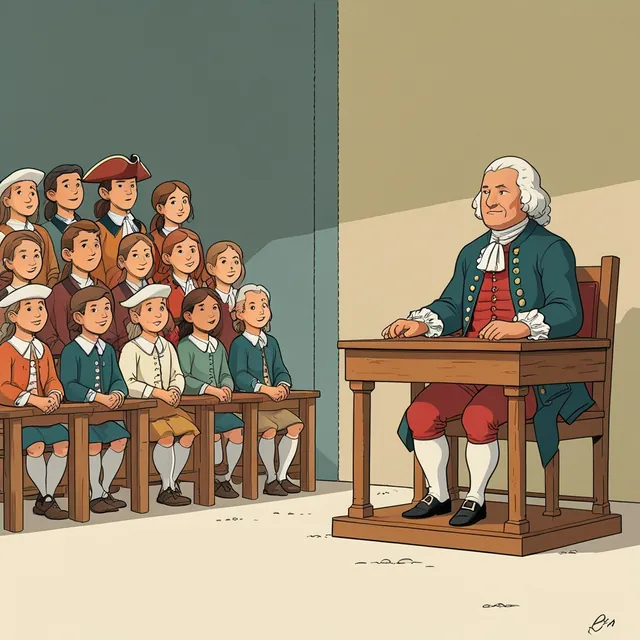
Amendment 7
This one is not about crime at all. It is about arguments over money and property. In the colonies, some courts decided those with one royal judge and no jury. So they wrote down that twelve ordinary neighbors get to decide instead.
Amendment 8
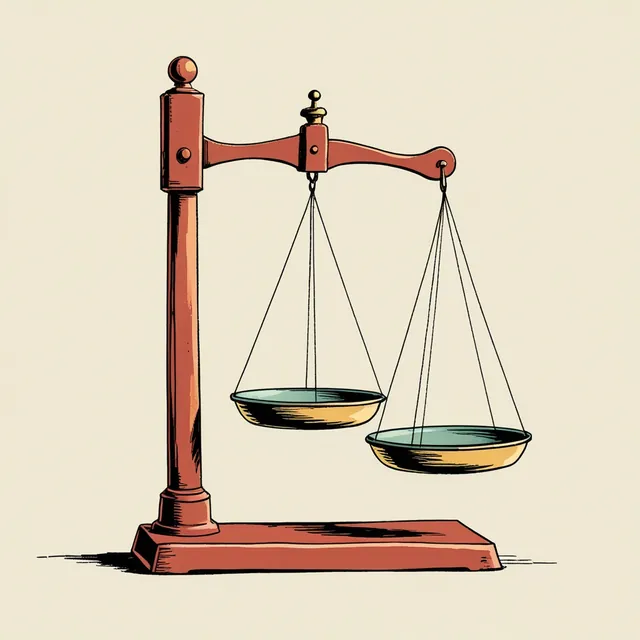
A punishment should match what was done, the way two sides of a scale should match. Too big is not allowed. What counts as too big has changed a lot since 1791.
Amendment 9
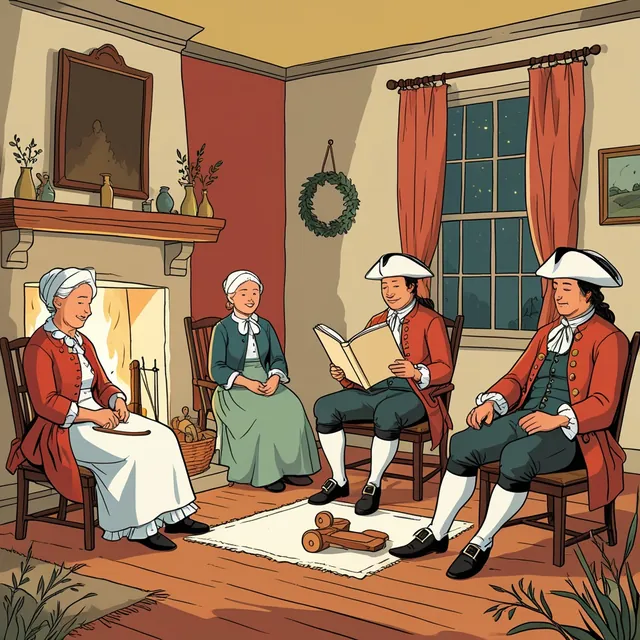
Some of the founders did not want a Bill of Rights at all. Their worry was simple. If you write down eight freedoms, somebody will later say those eight are the only ones you get. So they added a ninth that says the opposite.
Amendment 10
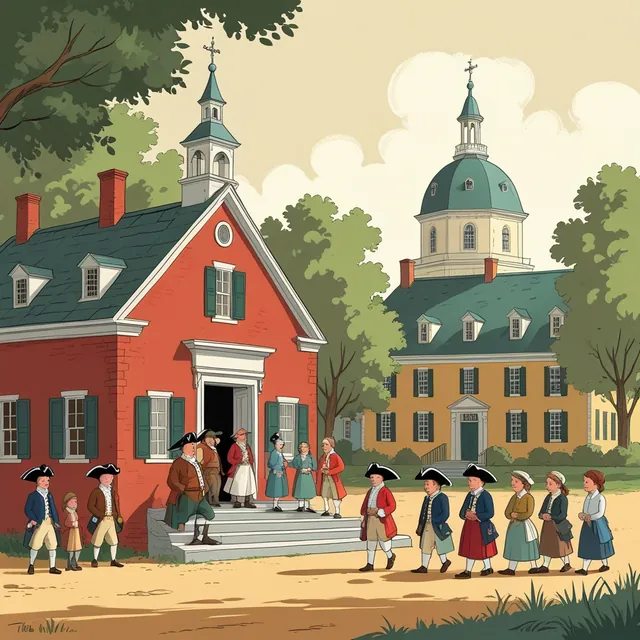
Thirteen states had just finished fighting a government far across an ocean. They were not eager to build another distant government with unlimited power. So the last amendment says it plainly. If we did not hand it over, we kept it.
Designed for different ages
Four grade-band designs. Three direct TPT listings; the high-school design links to the storefront.
The grown-up reads the strip out loud. Your child colors the picture, circles the answer, and draws what comes next. The answer is printed on the page, so nobody is guessing.
Open the TPT editionThe picture leads, then three boxes to fill and one why question. A LEARN box on every page, so every question can be answered from that same page.
Open the TPT editionThe amendment itself, an engraving, a worked table, and a position to take and defend in writing.
Open the TPT editionA primary source first, then claim and counter-claim built at full strength, then a judgment with the evidence under it.
Visit the TPT storefrontRead alongside
You do not need any of these to use the booklet. Here are nine reading suggestions, from a pocket Constitution for the family to 1776 for the parent reading along. Look for them at your library or favorite bookseller.
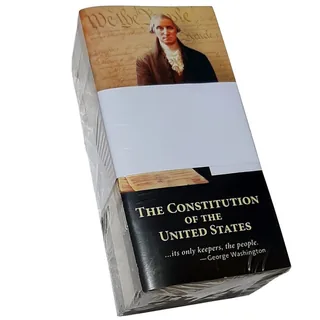
National Center for Constitutional Studies
A set a co-op leader can share among families.
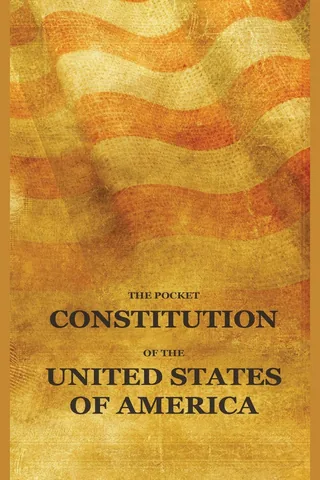
Createspace Independent Publishing Platform
A supporting reading recommendation.
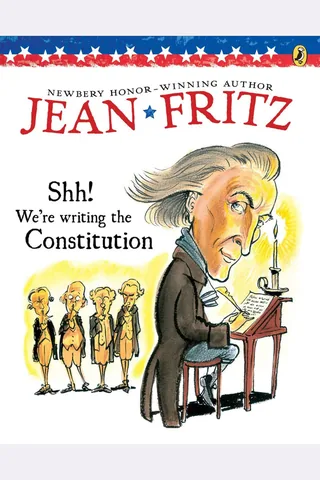
Jean Fritz
A supporting reading recommendation.
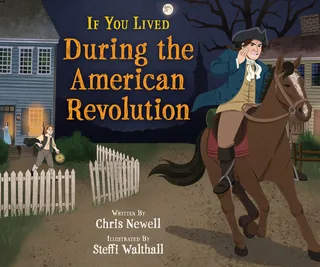
Chris Newell
A supporting reading recommendation.
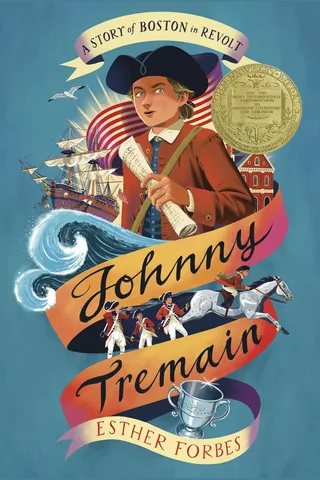
Esther Forbes
A supporting reading recommendation.
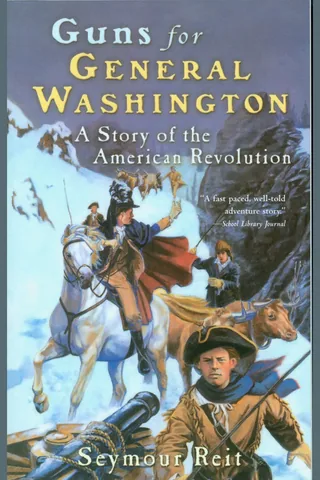
Seymour Reit
Grades 5 to 7. The story of bringing the guns from Fort Ticonderoga to Boston.
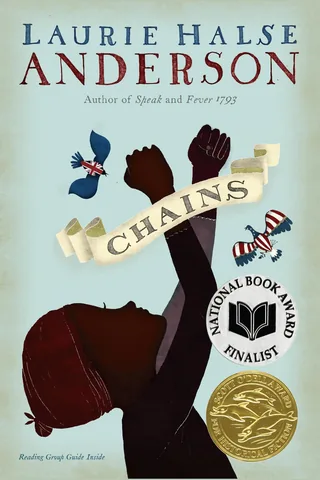
Laurie Halse Anderson
A supporting reading recommendation.
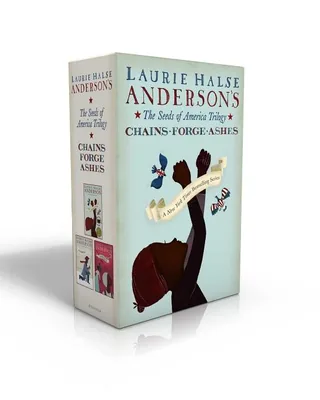
Laurie Halse Anderson
A supporting reading recommendation.
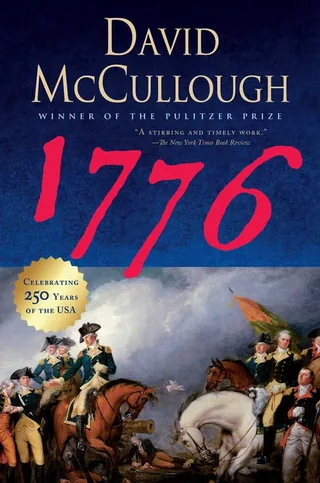
David McCullough
A supporting reading recommendation.
Work with Scott
A role, a school project, or a course for your child. Tell me who it is for and what it needs to make possible.