A course that holds together
Start with the learner, the goals, and the evidence that would show understanding. Build a sequence with room to adapt, while keeping the subject and the finish line visible.
The Accidental Teacher
Curriculum designer, former middle school teacher, and longtime homeschool dad in Glennallen, Alaska.
The person behind the work
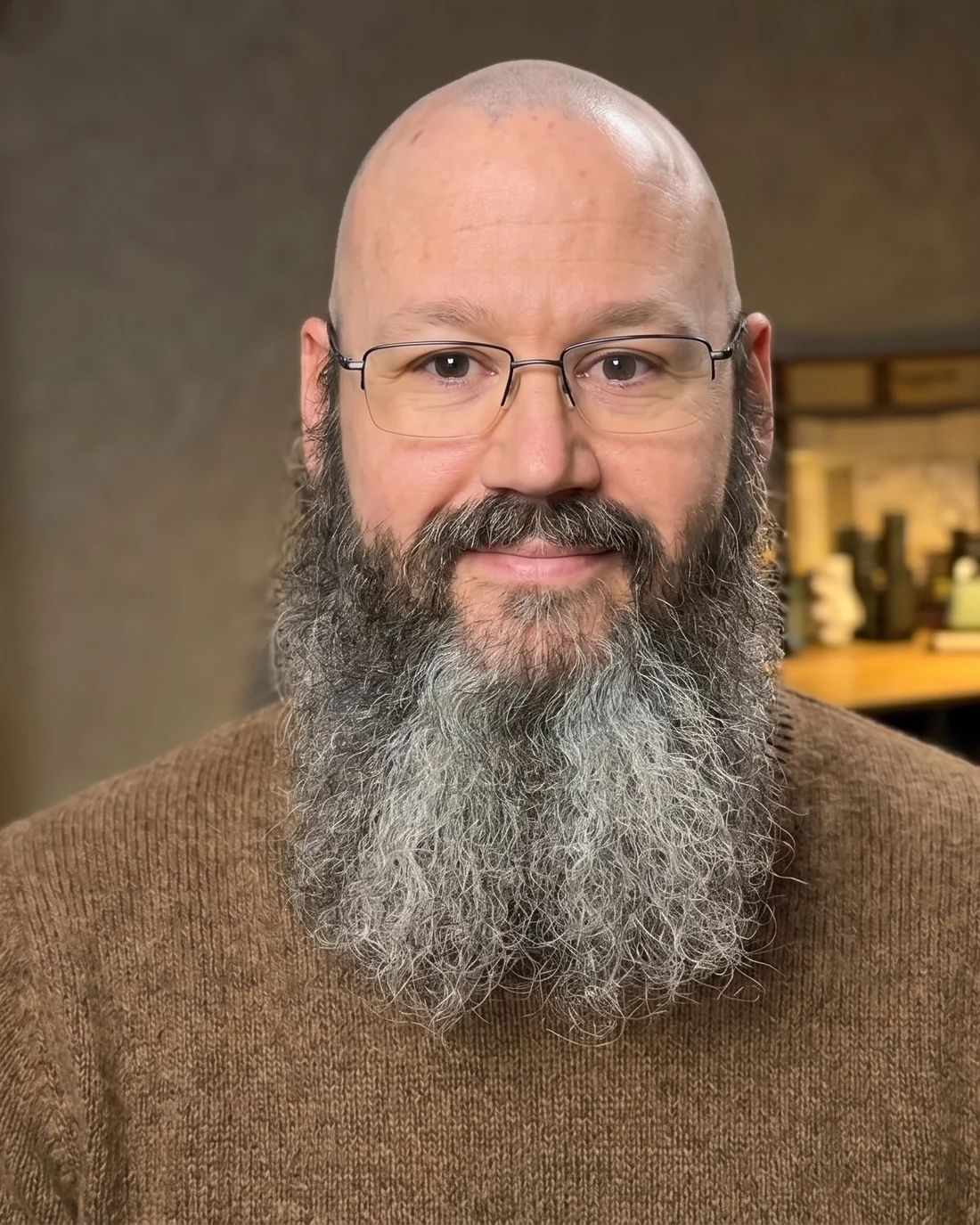
I'm Scott Somers, the Accidental Teacher: a homeschool dad, former middle-school teacher and curious builder. I use new tools with care because I want education to fit the child and be something a real family can carry out.
Meet the dad behind the toolsI am a curriculum designer, former middle school teacher, and longtime homeschool dad in Glennallen, Alaska. My family has homeschooled for roughly fifteen years. Some of those years were fully at home; others included public school and a return to homeschooling. The constant has been learning who each child actually is.
I taught for two and a half years in a Title 1 middle school in interior Alaska. A classroom makes one thing hard to miss: the same explanation can open a door for one child and leave another completely outside. I want the learning goal to stay serious while the route makes sense to the person doing the work.
I completed the coursework for a Master of Arts in Elementary Education; the degree has not been conferred. My teaching contract ended in May 2026. I kept building: curriculum maps, investigations, booklets, printable practice, and interactive learning tools.
I started building software in July 2025 with no coding background. AI writes code with me; my work is to specify the behavior, make the educational decisions, inspect what was produced, test it, and repair what does not work. I want to show both the finished work and the decisions that made it useful.
I believe a child's interests and goals belong inside the curriculum. Cooking can supply the questions for chemistry. Tennis can give ratios, algebra, geometry, and statistics a purpose. The interest is a way into the work; the learning still has to stand up on its own.
My faith shapes how I think about responsibility: know the person in front of you, tell the truth about your work, and make something useful. Living in rural Alaska has made practical delivery matter too. Materials need to be understandable, inspectable, and usable by the people who actually have them.
Working together
I connect the learning design to the materials and the technology needed to deliver it.
Start with the learner, the goals, and the evidence that would show understanding. Build a sequence with room to adapt, while keeping the subject and the finish line visible.
Create lessons, investigations, worked examples, assessments, answer keys, and print materials. Change the cognitive task for different ages rather than only shortening the words.
Turn an educational idea into a browser experience people can use. Geography Detective Academy and Math Outpost show different ways that content, interface, and feedback can work together.
Use AI to draft and implement, then inspect the sources, questions, answers, code, layout, and behavior. The tool accelerates production; educational and technical decisions still need an accountable person.
Keep content in structured sources, generate related formats from those sources, and use checks to catch mistakes. My print work connects the lesson spine, learner pages, supporting answers, and published editions.
Show the actual map, teaching page, worksheet, or working application. Explain what has been built and checked, and distinguish a sample from a finished course or a measured learner result.
From interior Alaska
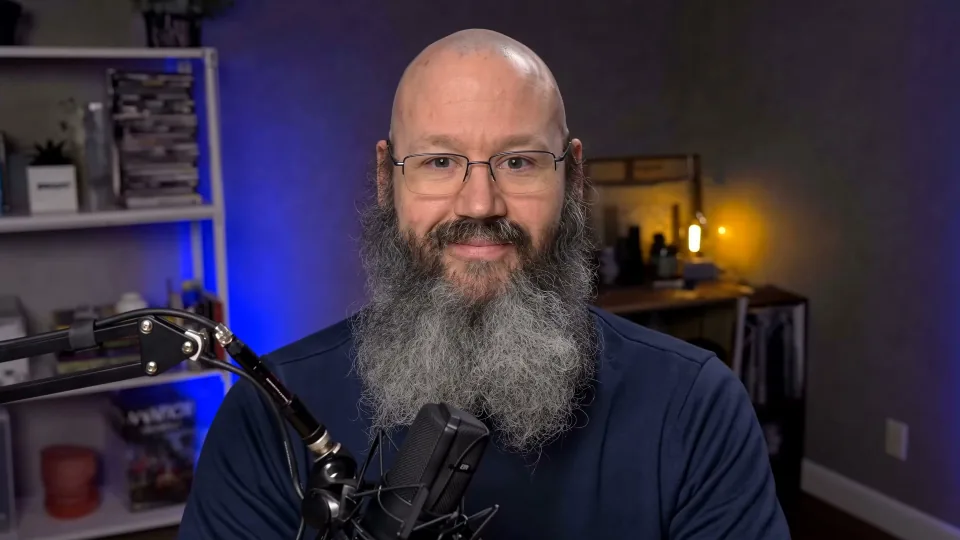
I record from a room at the end of a long road in interior Alaska.
Curriculum work can happen across a distance when the goals, decisions and materials are clear enough to share and inspect.
Get in touch