Amendment I
Five Freedoms
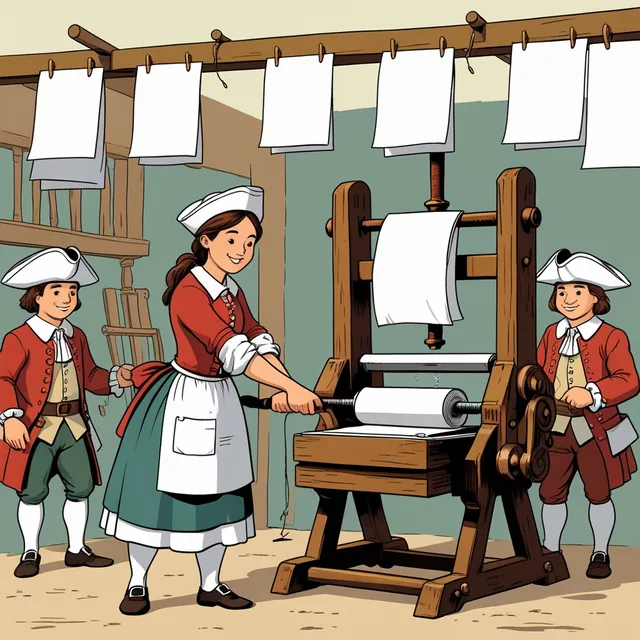
A printer could be jailed for what she printed. A family paid taxes to a church they did not attend. People were arrested for meeting to complain. All of that is in one sentence now, turned around.
Constitution Day is September 17
Ten pages. One amendment each. Every one of them exists because something happened to somebody, and this book starts there instead of with the definition.
Four editions, kindergarten to high school. Made for one child at a kitchen table or twenty in a co-op.
Scanned the square? If you scanned the square in the back of your booklet, this is the page it promised: the other three editions, the shelf, and the list.
Every amendment in the Bill of Rights began as a complaint. Somebody was jailed for printing, taxed for a church they did not attend, searched without cause, or made to feed soldiers in their own kitchen. The Bill of Rights is the list of things that had already gone wrong. Here is the complaint behind each one, the way the booklet tells it to a third grader.
A printer could be jailed for what she printed. A family paid taxes to a church they did not attend. People were arrested for meeting to complain. All of that is in one sentence now, turned around.
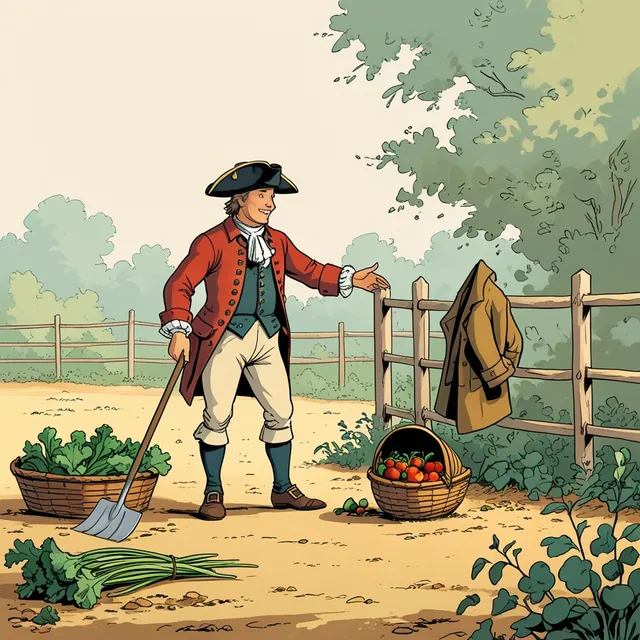
In 1775 there was no standing army to call. A town's defense was the town's own farmers, using what they already owned at home. They were called minutemen because that is how long they had to be ready.
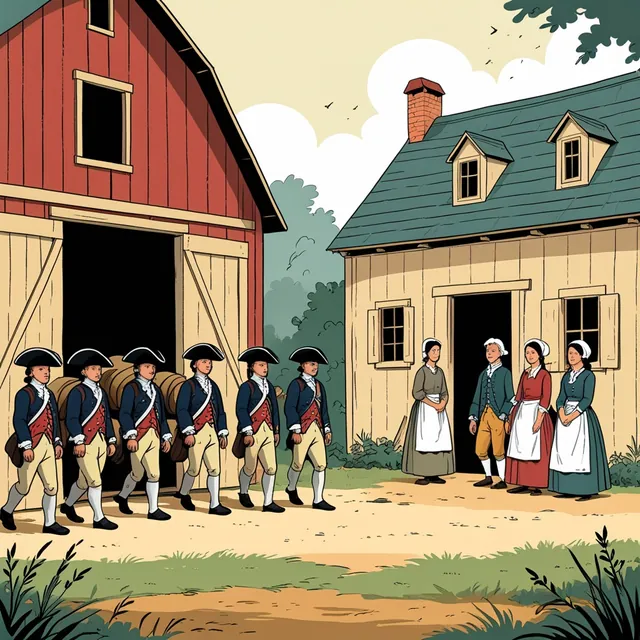
Here is what most books get wrong. The law did not let soldiers move into your kitchen. It let the governor take your barn, your shed, and any empty building you owned, and you could not say no. You also had to help feed the soldiers.
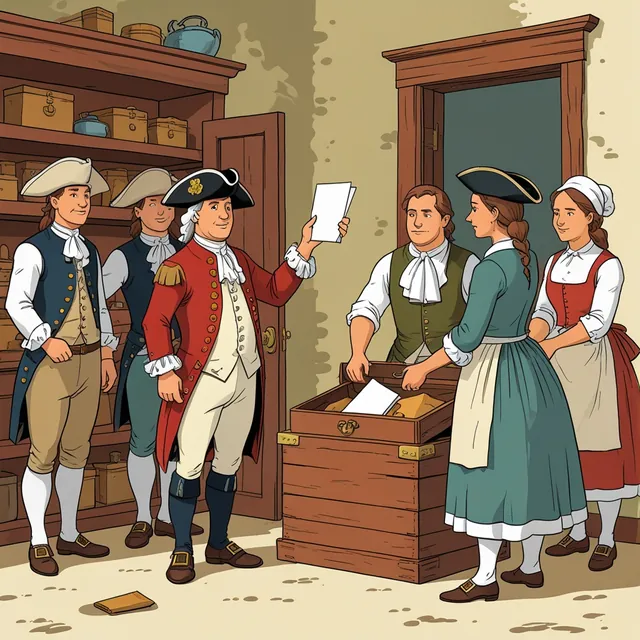
Customs officers carried a paper called a writ of assistance. It let them search any house, any shop, any chest, for anything, on any day. It never ran out. It did not have to say what they were hunting for.
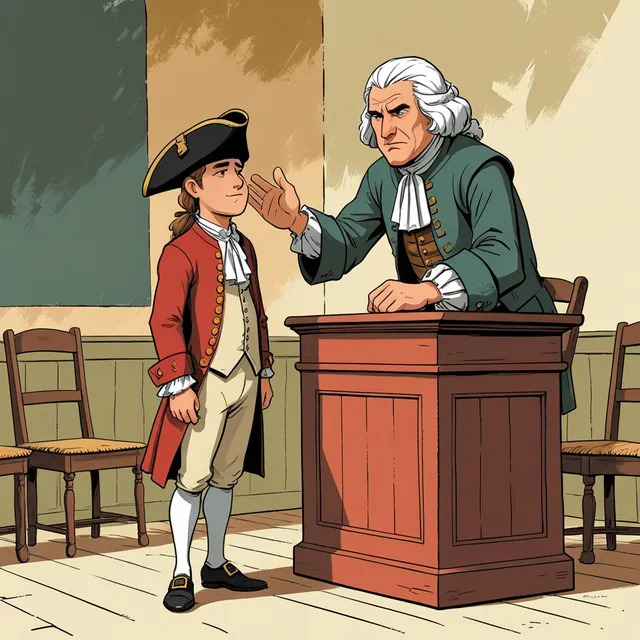
Most people know one piece of this amendment from television. There are five. It is the longest one in the Bill of Rights because five different bad things all needed stopping at once.
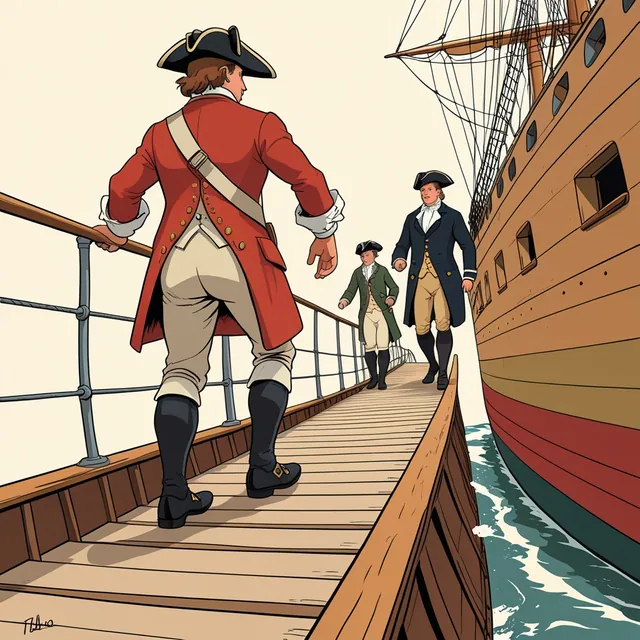
Colonists could be put on a ship and tried in Britain, three thousand miles from anyone who saw what happened. No neighbor could speak for you. The Declaration of Independence listed that as a complaint.
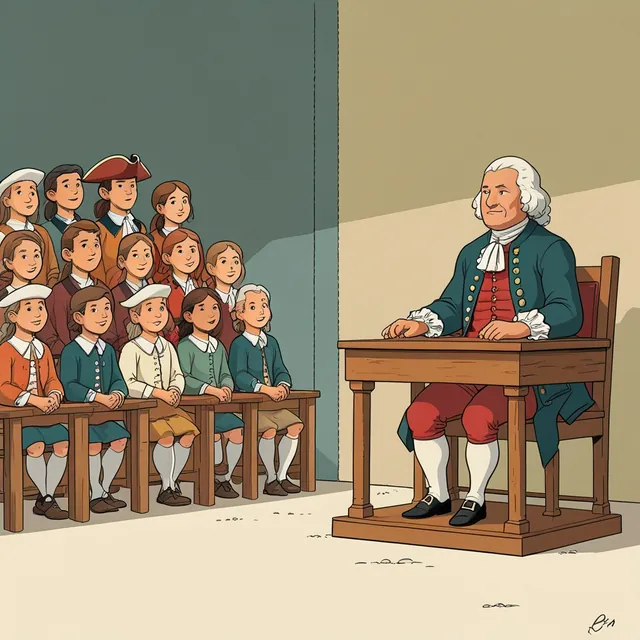
This one is not about crime at all. It is about arguments over money and property. In the colonies, some courts decided those with one royal judge and no jury. So they wrote down that twelve ordinary neighbors get to decide instead.
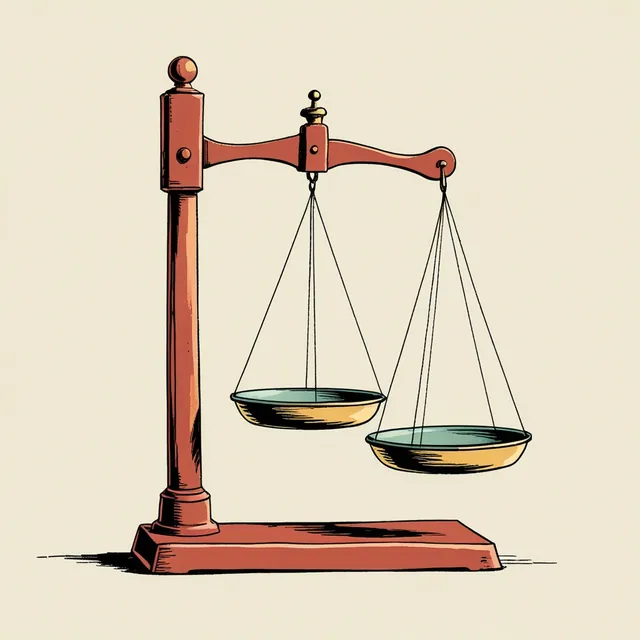
A punishment should match what was done, the way two sides of a scale should match. Too big is not allowed. What counts as too big has changed a lot since 1791.
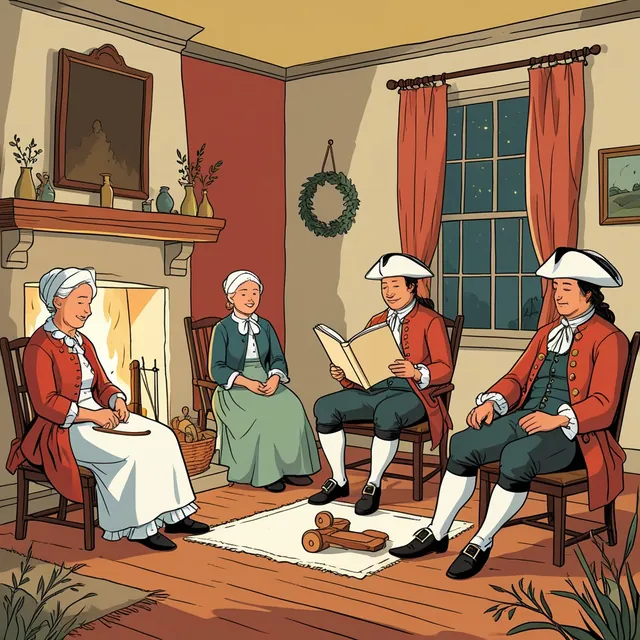
Some of the founders did not want a Bill of Rights at all. Their worry was simple. If you write down eight freedoms, somebody will later say those eight are the only ones you get. So they added a ninth that says the opposite.
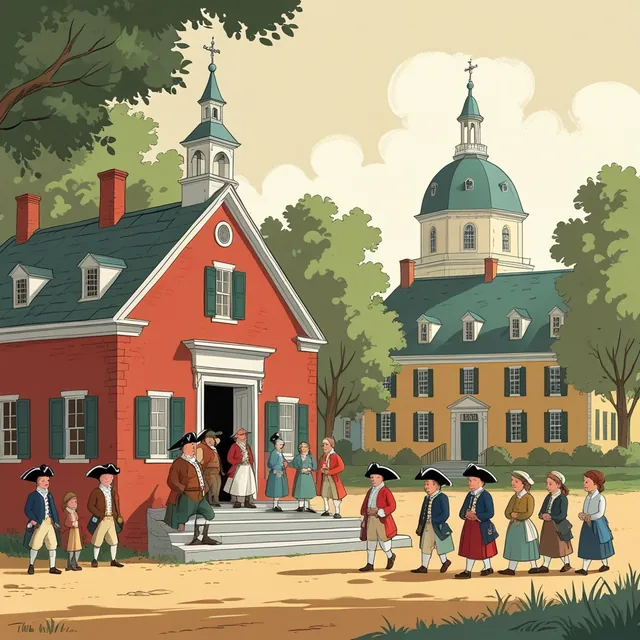
Thirteen states had just finished fighting a government far across an ocean. They were not eager to build another distant government with unlimited power. So the last amendment says it plainly. If we did not hand it over, we kept it.
Same ten amendments, same day, four depths. A family with several ages works the same amendment at the same table and nobody is waiting on anybody. Each edition is licensed for one family or one classroom.
The grown-up reads the strip out loud. Your child colors the picture, circles the answer, and draws what comes next. The answer is printed on the page, so nobody is guessing.
Get it on TPTThe picture leads, then three boxes to fill and one why question. A LEARN box on every page, so every question can be answered from that same page.
Get it on TPTThe amendment itself, an engraving, a worked table, and a position to take and defend in writing.
Get it on TPTA primary source first, then claim and counter-claim built at full strength, then a judgment with the evidence under it.
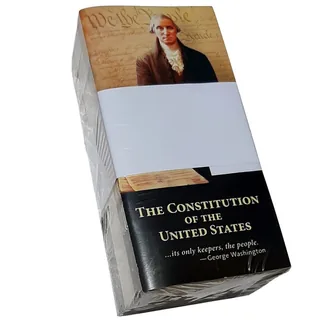
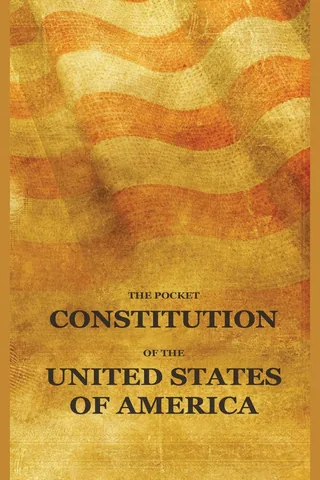
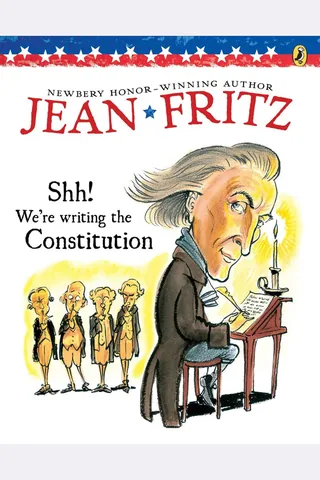
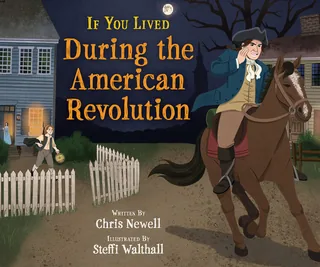
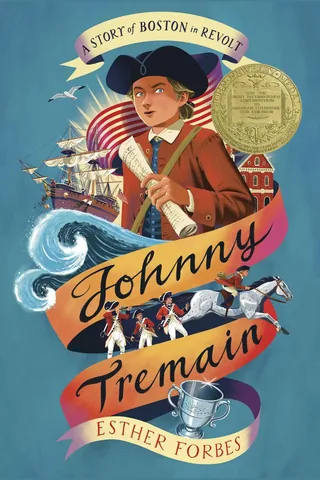
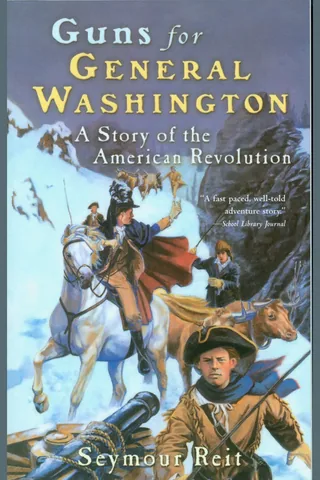
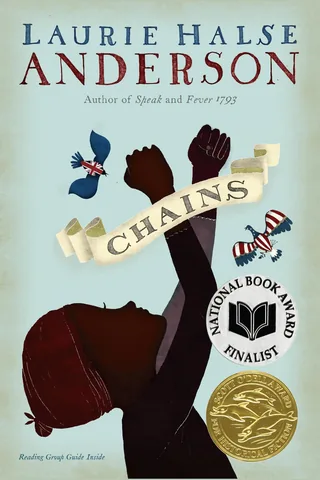
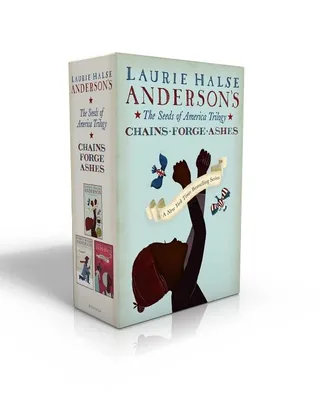
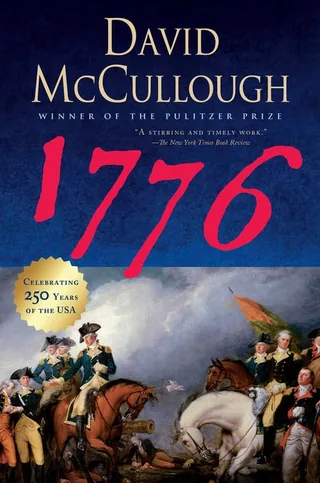
Next Chapter Outpost on TPTYou do not need a single one of these to use the booklet. But September 17 is a good excuse for a shelf, so here are the nine I picked, from a pocket Constitution a co-op leader can hand to every family, up to 1776 for the parent reading along. Every one of them is on our shelf at Next Chapter Homeschool.
The useful stuff goes on the blog, One Size Fits One: what homeschooling actually costs, how to tell if it is the curriculum or your child, how to choose without drowning. Put your email here and you get one email when a new post goes up, and word when the next Constitution Day thing exists. No drip, nothing you did not ask for.
Scott Somers. I taught middle school in Glennallen, Alaska, and Next Chapter Homeschool is my family's homeschool store. On TikTok and YouTube I am The Accidental Teacher in Alaska. This site is where the things I make get a permanent address, so a square printed in the back of a booklet still works in five years.